How Much Of A Luxury Outdoor Kitchen Budget Should Go To The Grill?
The grill is the star, but it is rarely the biggest line item once masonry, utilities, and countertops are counted. Here is how to divide a five figure budget so nothing important gets starved.
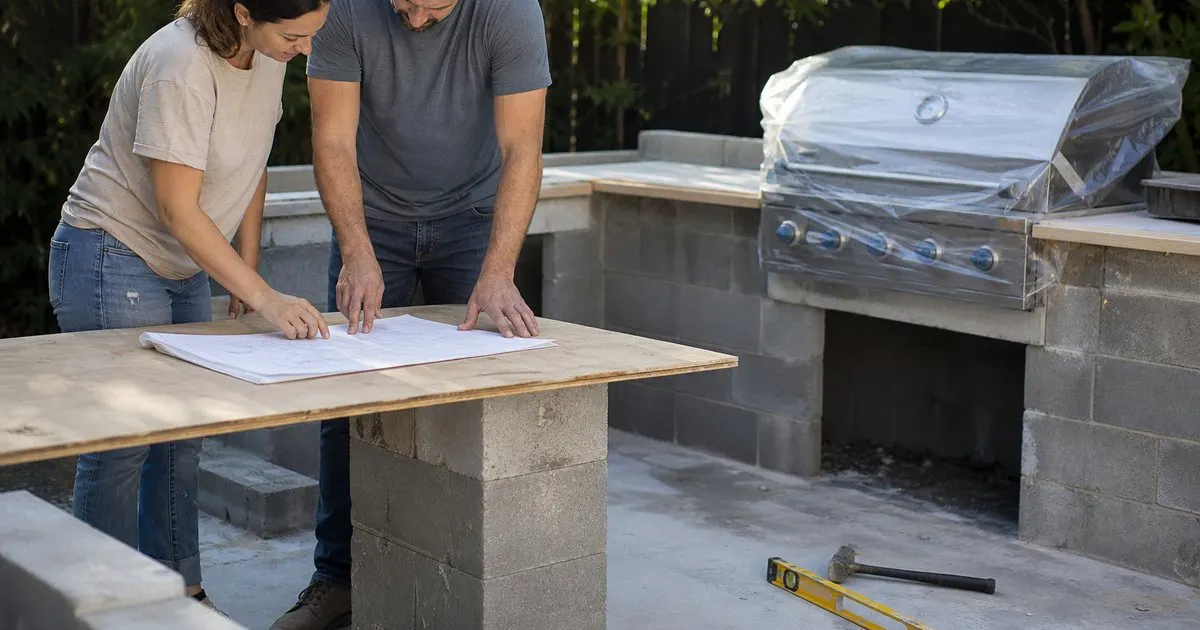
Why The Grill Is The Wrong Place To Start The Math
Most people begin by choosing a grill and then discovering the project. It is a natural instinct, because the grill is the object you will touch every weekend, and it is the item that manufacturers advertise. But a built in grill only performs as well as the structure, utilities, and surfaces around it. A spectacular head sitting in a cabinet that rusts, on a counter that stains, fed by a gas line that was sized too small, is not a luxury kitchen. It is an expensive grill with a problem. Related: How Do You Plan A Luxury Outdoor Kitchen That Lasts For Years?
A better approach is to set a total budget for the finished, working kitchen, subtract the non negotiable structural and utility work, and then see what remains for appliances. The number that remains is usually smaller than the buyer expected, and that surprise is far cheaper to absorb on paper than halfway through construction. As an independent guide we may earn a commission on some links, but we have no stake in which grill you choose, and we would rather you buy a more modest head and finish the project properly than the reverse. Related: When Does An Outdoor Kitchen Genuinely Need Ventilation And Safe Clearances?
Keep reading: How Do You Plan A Luxury Outdoor Kitchen That Lasts For Years?, What Materials Truly Survive Years Of Sun, Rain, And Winter Frost?, Which Grill Fuel Best Suits A High End Outdoor Cooking Space?. See how Emberkitchn helps you the design guide to luxury outdoor kitchens and grills.
What The Rest Of The Budget Actually Pays For
The unglamorous half of an outdoor kitchen is where the money quietly goes. A proper base, whether steel framed, masonry, or a finished modular cabinet system, has to carry the weight, resist water, and accept the appliance cutouts precisely. Gas, electrical, and water lines need trenching, permits, and licensed trades. Countertop material, fabrication, and templating around multiple cutouts cost more per foot outdoors than the same stone would inside, because the edges and seams are exposed to weather. Related: What Materials Truly Survive Years Of Sun, Rain, And Winter Frost?
Then come the items that separate a kitchen that gets used from one that gets photographed: an outdoor rated refrigerator, a sink with a real drain, weatherproof storage doors and drawers, lighting, and a cover or structure overhead. None of these is exciting on its own, and each is easy to trim when the grill quote arrives. Trim too many of them, however, and the finished kitchen fails to do the one thing it was built for, which is to let you cook and host outside without walking back indoors every few minutes. Related: Which Grill Fuel Best Suits A High End Outdoor Cooking Space?
A Sensible Split For A Five Figure Project
For the five thousand to fifteen thousand dollar range this guide covers, our working rule of thumb is that the grill head alone should rarely exceed about a third of the total, and that a quarter is a comfortable target when the project includes stone, utilities, and refrigeration. Put another way, the structure, surfaces, and utility work typically deserve at least as much as all the appliances combined. That proportion feels unbalanced to a first time buyer and entirely normal to anyone who has built two.
These are planning ratios, not rules of physics, and the right split shifts with the site. A project that reuses an existing patio slab and a gas line already stubbed to the yard can afford to lean toward appliances. A project that needs a new footing, a long trench, and a retaining wall must lean the other way. The useful exercise is to price the site work first, honestly, and let the grill category absorb whatever remains rather than the reverse.
Where Spending More On The Grill Genuinely Pays
Once the structure is funded, there are real reasons to move up the grill range. Heavier grates hold heat and sear better. Thicker stainless in the firebox and hood resists warping over years of high heat. Individually controlled burners with a dedicated sear zone and a rear infrared burner for a rotisserie change what you can cook, not just how it looks. A well built head is also the component most likely to carry a long warranty, which matters when it is set permanently into stone.
What rarely pays is buying width you will not use. A very wide grill demands a longer run of counter and cabinetry, increases the gas load, and leaves most of its surface cold on an ordinary Tuesday. If the budget is tight, a slightly narrower head built to a higher standard, with the savings redirected into the base and countertop, produces a kitchen that looks and cooks better for far longer. Buy the quality, not the inches.
- Budget the structure, utilities, and surfaces first, then let the grill absorb what remains.
- As a planning ratio, the grill head is typically a quarter to a third of a five figure project.
- Site conditions such as an existing slab or gas stub shift the split toward appliances.
- Spend on grill build quality and burner control rather than on width you will not use.

Julien Jimenez
Julien Jimenez is an independent software builder based in Paris. He designs, ships, and operates focused SaaS products for small businesses and independent professionals. Read the full author page.
A Kitchen Beneath Open Sky
The design guide to luxury outdoor kitchens and grills. Emberkitchn is built to help you put this into practice.
Design your kitchenMore from the Emberkitchn blog
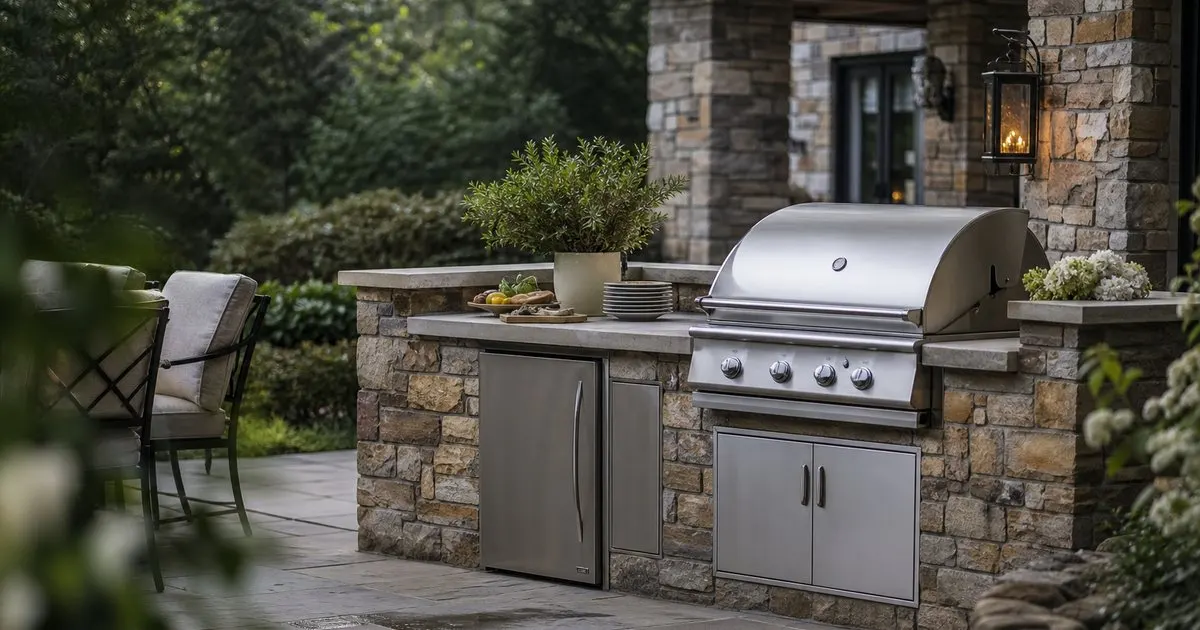
How Do You Plan A Luxury Outdoor Kitchen That Lasts For Years?
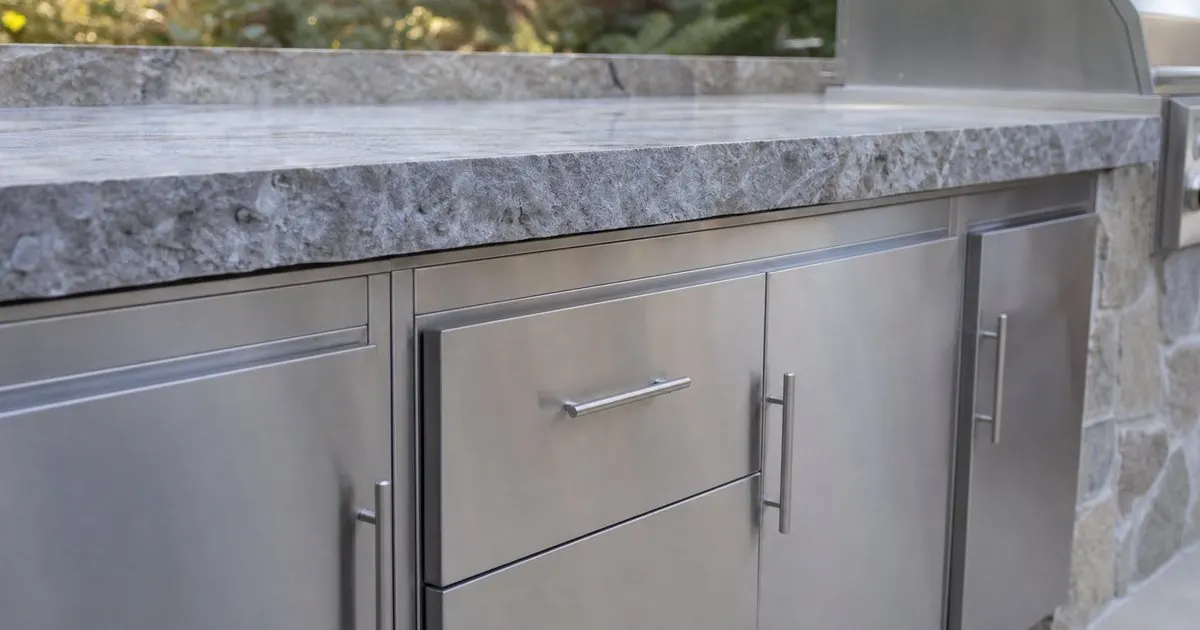
What Materials Truly Survive Years Of Sun, Rain, And Winter Frost?
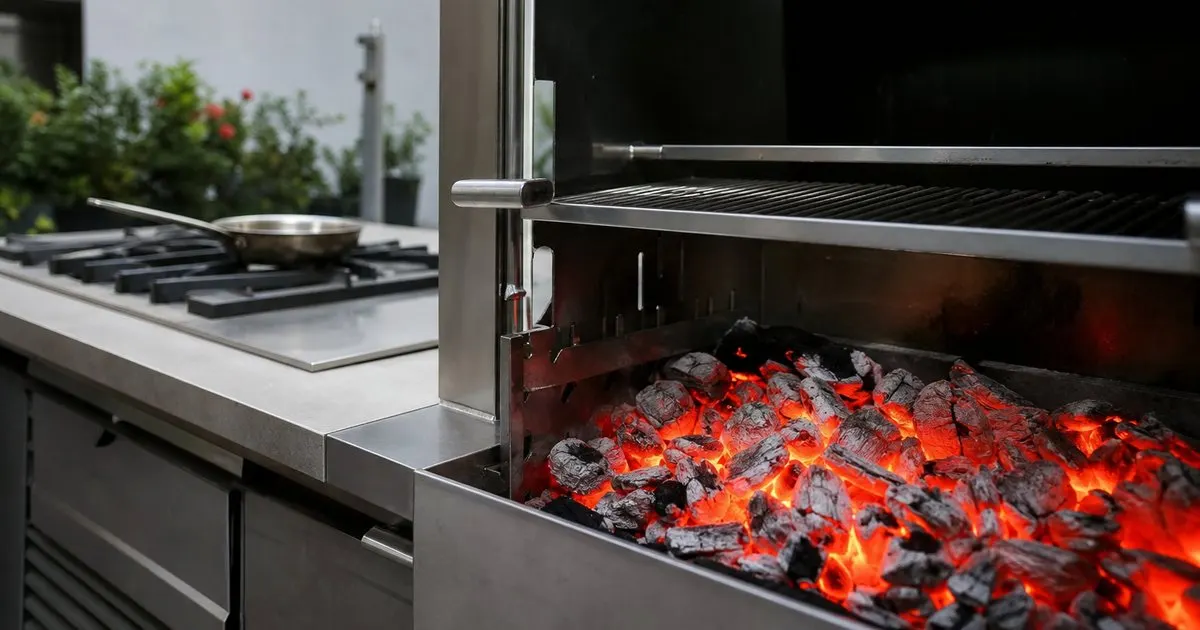
Which Grill Fuel Best Suits A High End Outdoor Cooking Space?
Get the complete luxury outdoor kitchens guide
Our full buying guide, the price guide, and new research as we publish it. One email, no spam, unsubscribe any time.