Weatherproof materials
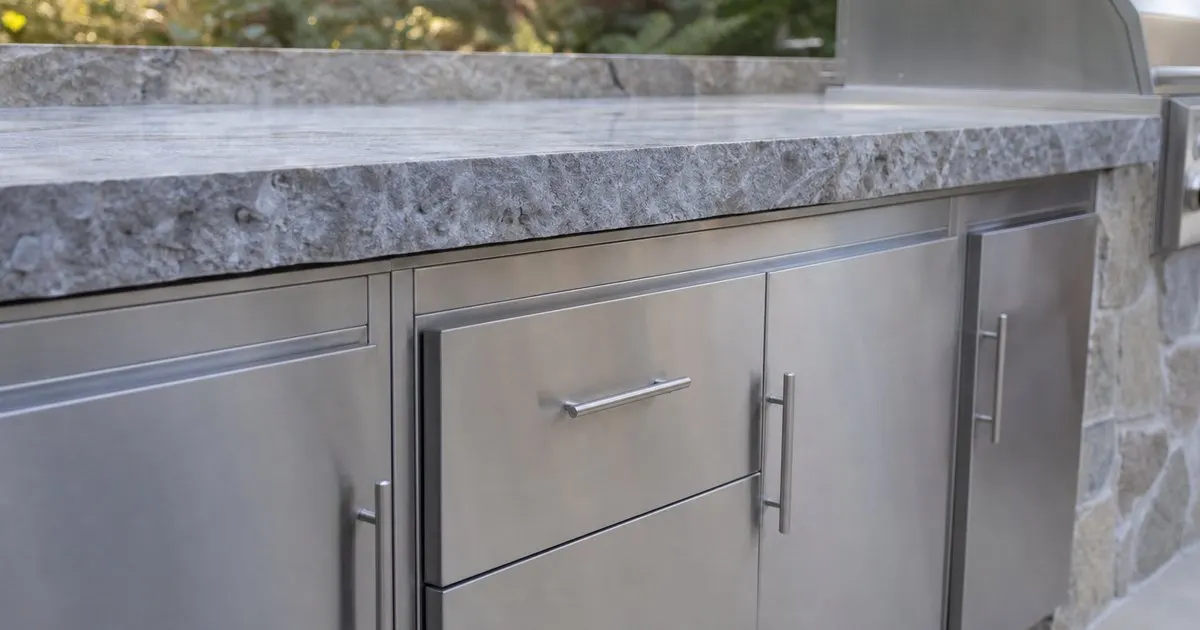
Choose surfaces and cabinetry rated for the outdoors, such as marine grade stainless, dense stone, and sealed masonry. Indoor materials moved outside are the most common early failure.
An independent guide to planning a luxury outdoor kitchen, from weatherproof materials to work zones, so your investment cooks and entertains for years.
An independent guide. We may earn a commission from some links, at no extra cost to you.
Decide whether you host large gatherings, cook for family, or both. The scale and rhythm of your entertaining set the footprint and the appliance list.
Position cook, prep, and serve areas, then route gas, water, and power before the hardscape is poured. Retrofitting utilities later is costly and disruptive.
Choose materials and protection matched to your local weather, from freeze cycles to coastal salt. Ask every supplier how their product ages in your conditions.
Fall build window. September brings cooler crews, tailgate season, and some of the best weather of the year for masonry and installation. Read the guide, then start collecting quotes.
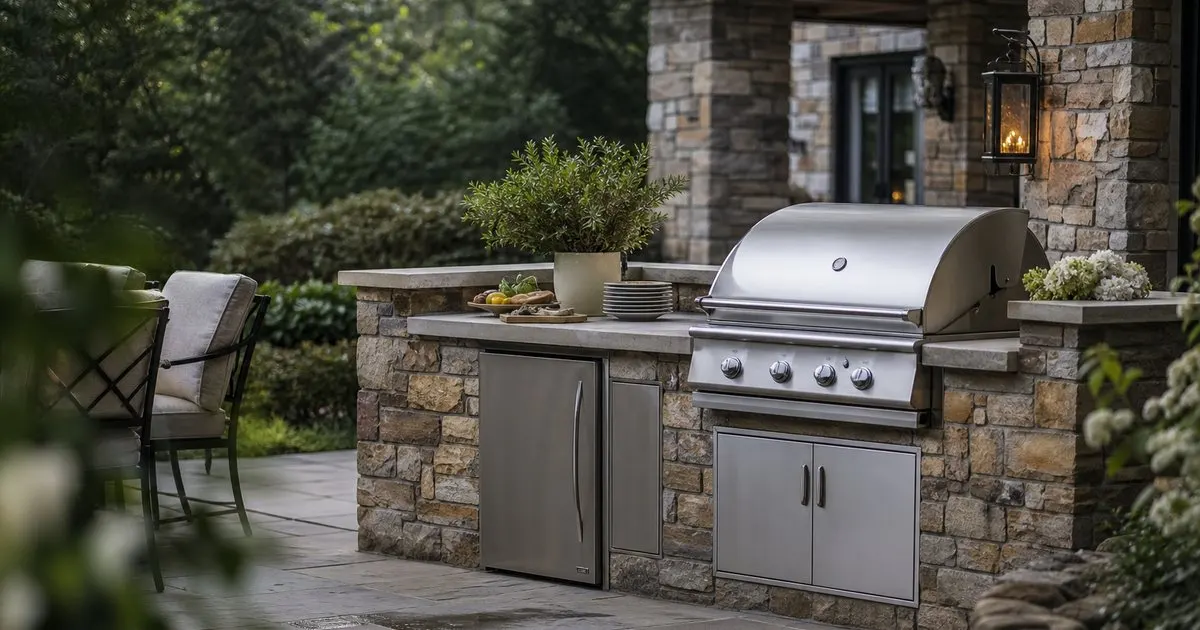
Read the definitive guideThe configuration most homeowners choose, with fuller zones and finer materials. Premium grill with side burner, Stone counters and sealed masonry, Refrigeration and weather sealed storage.
An outdoor kitchen lives a hard life. Sun, rain, frost, and salt air punish materials that were chosen for looks alone, and a layout designed on paper often frustrates the cook who has to carry plates across the yard.
The difference between a showpiece and a workhorse lies in decisions made before the first stone is set. This guide focuses on the criteria that keep an outdoor kitchen beautiful and usable long after the novelty fades.
The details that separate a considered purchase from an expensive mistake at this level.
Choose surfaces and cabinetry rated for the outdoors, such as marine grade stainless, dense stone, and sealed masonry. Indoor materials moved outside are the most common early failure.
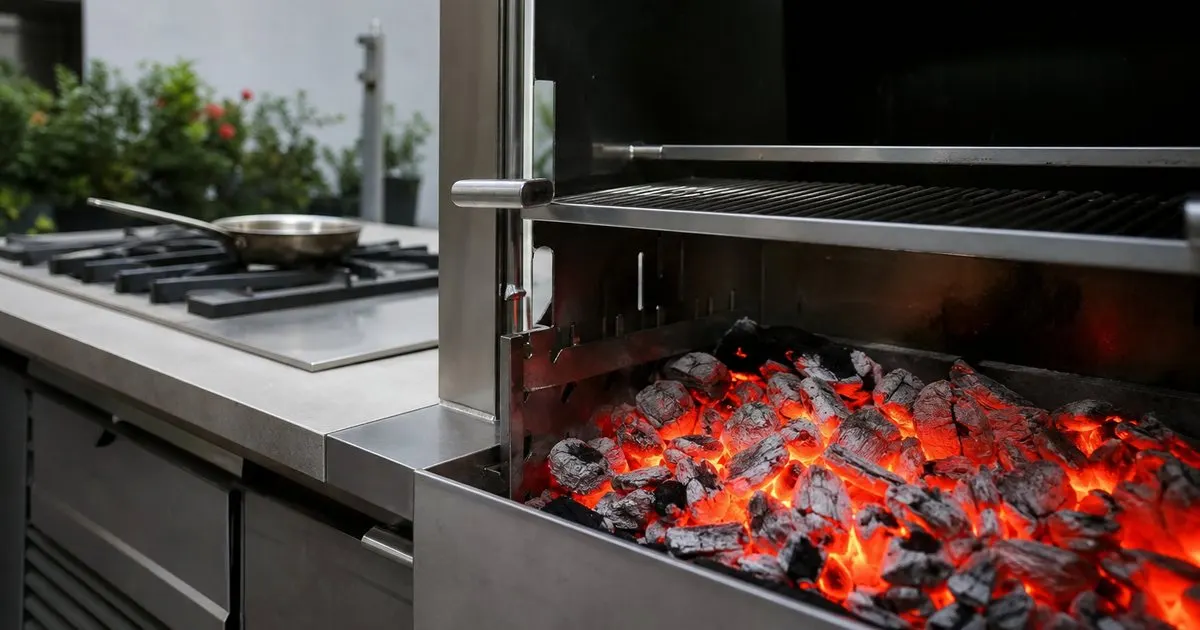
Select the primary cooking appliance around how you actually cook. Sear power, indirect zones, and fuel type should match your menu rather than the largest available hood.
A functional kitchen separates cook, prep, and serve zones with counter space between them. The classic triangle applies outdoors just as it does inside.
Under any roof or overhang, proper ventilation and safe clearances to combustibles are essential. This is a safety criterion, not a luxury, and it protects your structure.
Weather sealed drawers, a dedicated water supply, gas or electrical runs, and protected outlets turn a grill island into a genuine kitchen you will use often.
A level, well drained base and freeze aware construction keep counters true and stone intact. What sits beneath the finish determines how long the finish lasts.
A calm, three step way to arrive at the right choice with confidence.
Decide whether you host large gatherings, cook for family, or both. The scale and rhythm of your entertaining set the footprint and the appliance list.
Position cook, prep, and serve areas, then route gas, water, and power before the hardscape is poured. Retrofitting utilities later is costly and disruptive.
Choose materials and protection matched to your local weather, from freeze cycles to coastal salt. Ask every supplier how their product ages in your conditions.
A clear sense of what to expect at every level, from entry to bespoke. Independent guidance, never a sales pitch.
Figures are typical US market ranges to guide your planning, not quotes.

We are paid by no manufacturer or contractor to steer your choice. Our recommendations rest on how these kitchens are built and how they endure real weather, and we revise them as we learn.
It depends on your cooking. Gas offers convenience and control, charcoal rewards flavor and patience, and many premium builds include both so you can match the fuel to the dish.
Only when the kitchen sits under a roof, overhang, or enclosure. In those cases proper ventilation and clearances are essential for safety, and fully open air layouts need far less.
Yes, when built for it. Freeze aware plumbing, sealed stone, weatherproof appliances, and covers let a kitchen endure hard winters, though some components should be drained or protected off season.
Built in kitchens offer more counter space, storage, and permanence, while freestanding units add flexibility. The right choice depends on your space, your budget, and whether you may move.
It is a fixed, weather exposed investment that requires seasonal care and cannot easily be relocated. In climates with short outdoor seasons, the cost per use is worth weighing honestly.
Enough for distinct cook, prep, and serve zones with counter between them. Even a compact footprint works well when planned around real workflow rather than crowded with appliances.
Our full buying guide, the price guide, and new research as we publish it. One email, no spam, unsubscribe any time.
The design guide to luxury outdoor kitchens and grills. Independent guidance, written to help you choose well.
Read the complete guide