When Does An Outdoor Kitchen Genuinely Need Ventilation And Safe Clearances?
Understanding the safety rules that apply the moment a grill sits under cover.
An outdoor kitchen genuinely needs ventilation the moment a grill sits under a roof, overhang, or enclosure that traps heat and combustion products. Open air layouts need little. In every case, maintain the manufacturer's safe clearances to combustibles, and for covered structures confirm requirements with local code and a qualified professional.
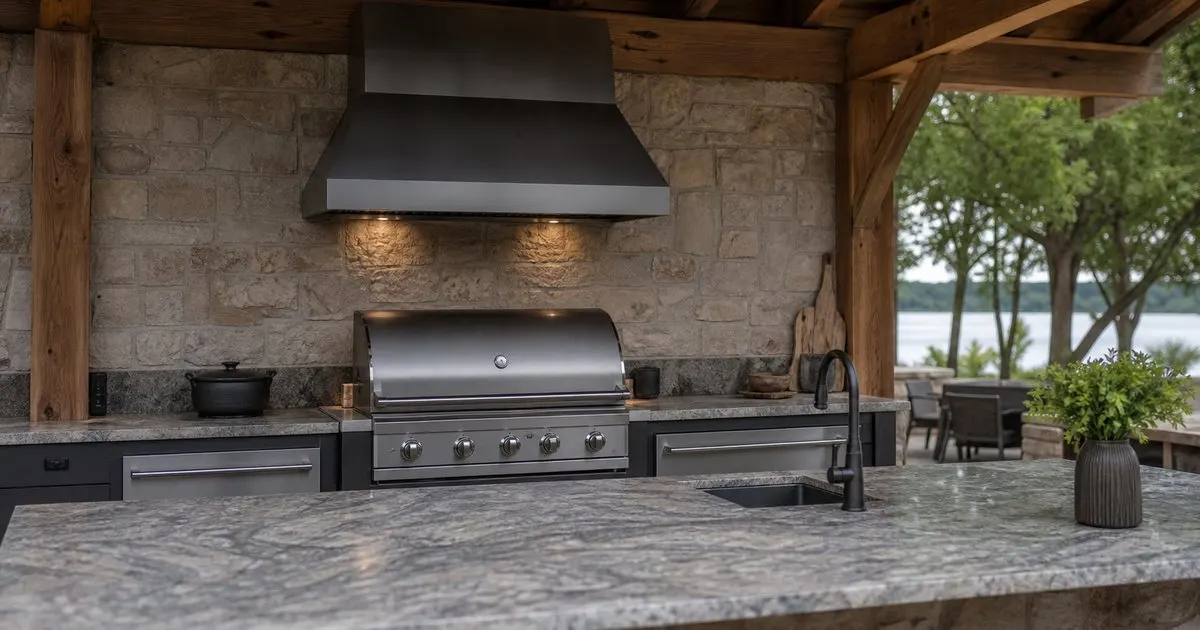
Open air versus enclosed cooking
A grill in fully open air disperses heat and combustion products naturally, so ventilation demands are minimal. The moment a roof, overhang, or enclosure traps that heat, the picture changes entirely.
The key distinction is whether the cooking area is covered. Enclosure concentrates heat and gases, which is exactly when proper ventilation becomes essential rather than optional.
Keep reading: How Do You Plan A Luxury Outdoor Kitchen That Lasts For Years?, What Materials Truly Survive Years Of Sun, Rain, And Winter Frost?, Which Grill Fuel Best Suits A High End Outdoor Cooking Space?. See how Emberkitchn helps you the design guide to luxury outdoor kitchens and grills.
Why ventilation matters under cover
Under a roof or overhang, a vent hood removes smoke, heat, and combustion byproducts that would otherwise accumulate. This protects both the people cooking and the structure above. Related: Which Overhead Structure Best Shelters A Luxury Outdoor Kitchen From Sun And Rain?
Adequate ventilation is a safety requirement, not a luxury flourish. In any covered kitchen, it should be sized to the grill and installed to code, never treated as an afterthought. Related: How Do You Plan A Luxury Outdoor Kitchen That Lasts For Years?
Safe clearances to combustibles
Grills radiate significant heat, so safe clearances to walls, cabinetry, and any combustible material are essential. These distances prevent scorching, discoloration, and the genuine risk of fire.
Manufacturers specify minimum clearances for a reason. Respecting them, and using heat resistant materials nearby, keeps the kitchen safe through years of high heat cooking. Related: What Materials Truly Survive Years Of Sun, Rain, And Winter Frost?
When to involve a professional
Because ventilation and clearances touch on safety and code, they are areas to plan carefully and, where covered structures are involved, to review with a qualified professional.
This guide is independent and educational rather than a substitute for local code or a licensed installer. For any enclosed cooking area, confirm requirements with the authorities and specialists who know your jurisdiction.
- Open air grills need little ventilation
- Covered kitchens require proper vent hoods
- Maintain safe clearances to all combustibles
- Review enclosed setups with a qualified professional

Julien Jimenez
Julien Jimenez is an independent software builder based in Paris. He designs, ships, and operates focused SaaS products for small businesses and independent professionals. Read the full author page.
Frequently asked questions
Do I need a vent hood for an open air grill?
Generally no. Fully open air cooking disperses heat and gases naturally. Ventilation becomes essential only when a roof, overhang, or enclosure traps them, so the need depends on whether the area is covered.
How far should a grill sit from walls and cabinets?
Follow the manufacturer's specified minimum clearances, and use heat resistant materials nearby. These distances prevent scorching and fire risk, and they vary by appliance, so check the documentation for your specific grill.
A Kitchen Beneath Open Sky
The design guide to luxury outdoor kitchens and grills. Emberkitchn is built to help you put this into practice.
Design your kitchenMore from the Emberkitchn blog
How Do You Plan A Luxury Outdoor Kitchen That Lasts For Years?
What Materials Truly Survive Years Of Sun, Rain, And Winter Frost?
Which Grill Fuel Best Suits A High End Outdoor Cooking Space?
Get the complete luxury outdoor kitchens guide
Our full buying guide, the price guide, and new research as we publish it. One email, no spam, unsubscribe any time.